
Rooted in Our Values
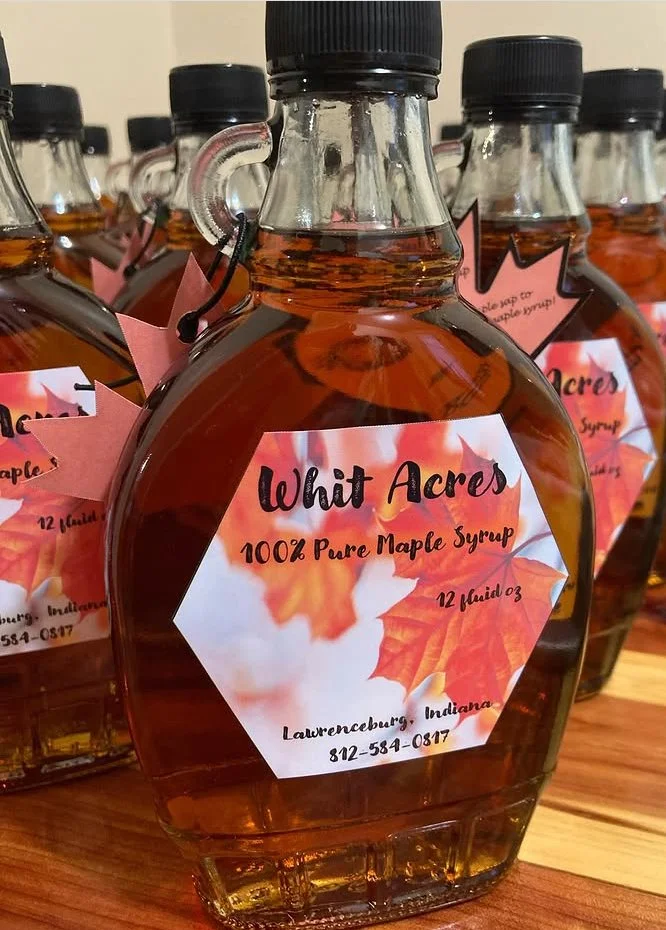
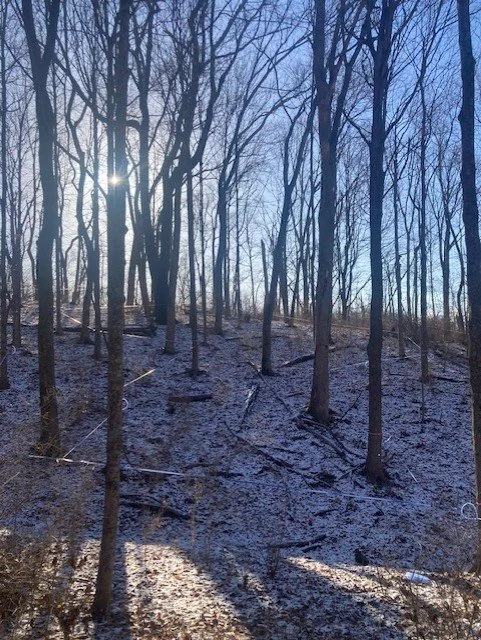
Cody and Whitney work together to manage an 80-acre farm nested in the valley of Salt Fork Rd. in Lawrenceburg, IN. Here, they take advantage of their foothill location to tap sugar maple trees along their hillsides and harvest their sap to make delicious pure maple syrup.
Currently, they manage 8 beehives. They believe that honeybee health is embraced by avoiding pesticides/herbicides, ensuring the bees have a rich and diverse diet within their environment, and avoiding routine use of feeding them sugar water. Pollen and nectar provide the bees with natural nutrients, protein, and vitamins to help strengthen their immune system and overcome viruses that are spread by other insects and mites. Sugar water lacks these additional nutrients. Being in the valley places us at the confluence of two creeks where the honeybees have a constant natural water source.
On their farm, they also grow dent corn to make corn meal and grits. They grow a self-sustaining garden to can and freeze crops to eat well year-round. They harvest beeswax and honey to make lip balm and salves. They also dry and crush peppers to make hot crushed red pepper flakes!
Their entire farm is managed without hazardous pesticides or herbicides. Fence lines are managed by burning and battery powered weed eater. Garden is managed by physical labor and mulched honeysuckle made from our woodchipper.
Cody and Whitney enjoy being outdoors and cherish all of the gifts their backyard has to offer. Their goal is to harvest nature’s gifts and share it with you- the experience, the learning, the taste. They hope to encourage healthy, sustainable practices for a cleaner environment and better nutrition.
About Our Maple Syrup
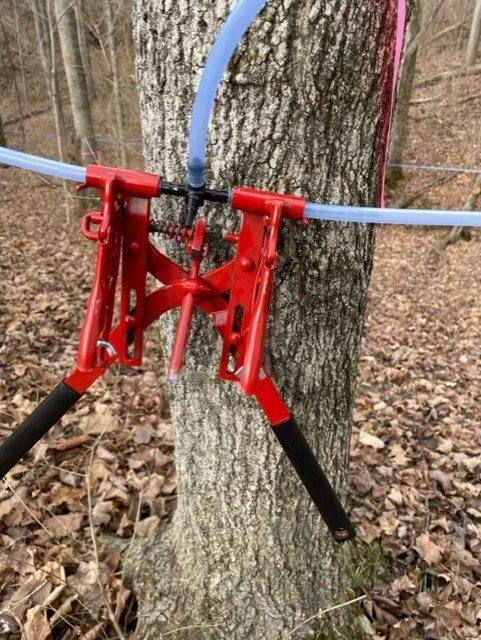
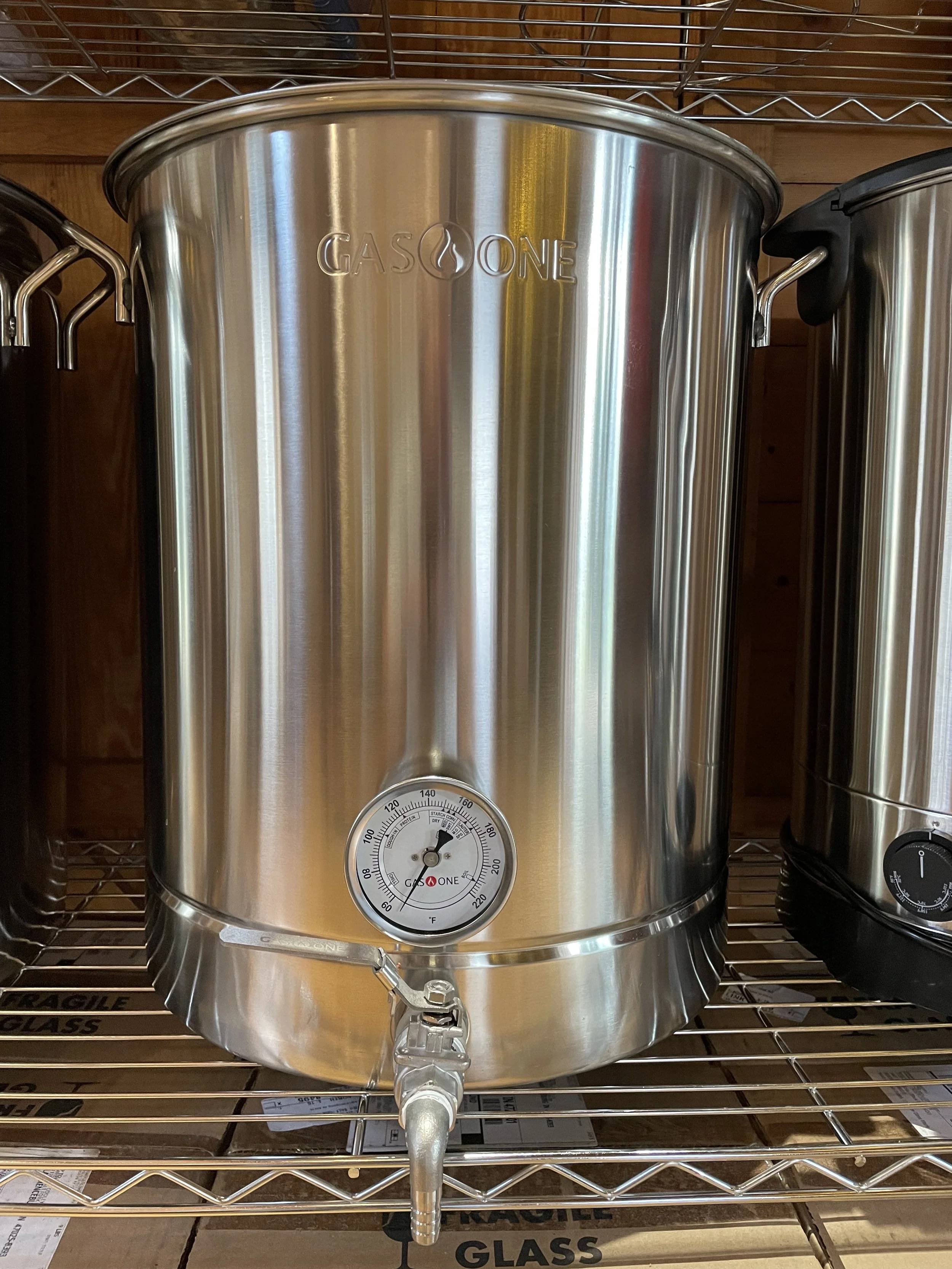
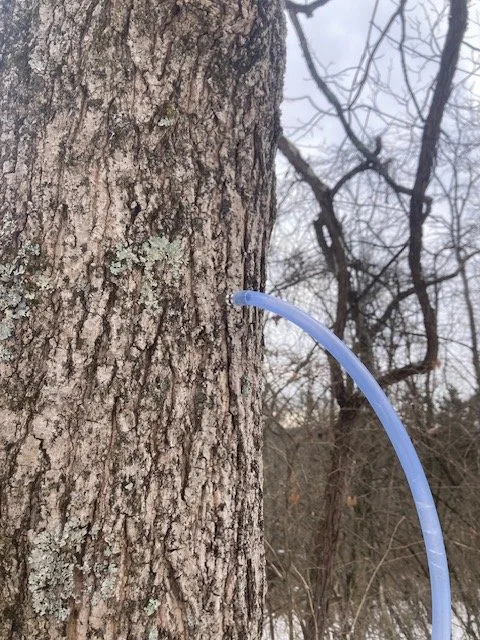
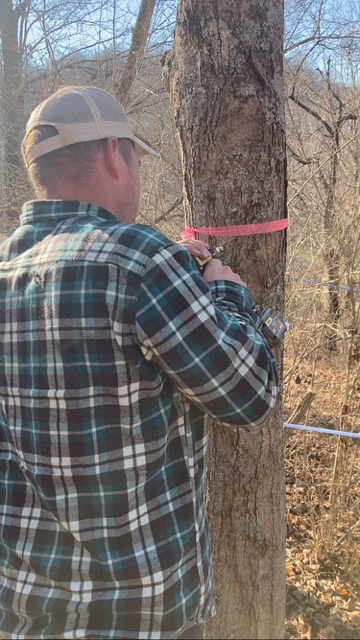
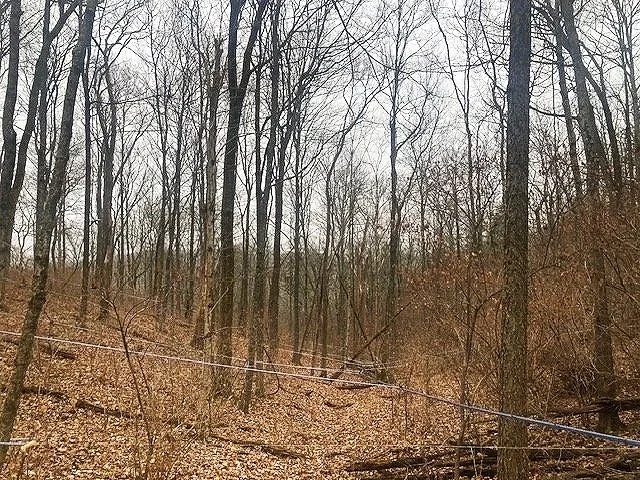
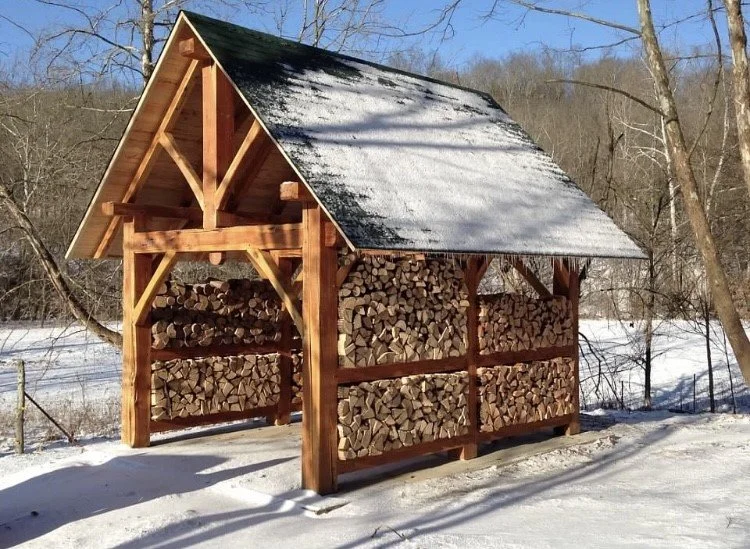
Our maple syrup production relies on a tubing system that takes advantage of the farms topography. The hundreds of feet of elevation gives us the opportunity to use gravity and vacuum instead of traditional buckets, bags or jugs. This makes harvesting large amounts of sap much easier to collect into one large container rather than several hundred buckets. This also gives us an incredibly clean product since the sap has less contact with multiple surfaces. Once enough sap is collected the sap tank is moved directly to the sugar shack where it is first filtered, run through a reverse osmosis machine and boiled on a maple sap evaporator. The continuous flow evaporator produces concentrated maple sap that is then filtered once again and moved to the final heating process. At this stage the sap is heated in a maple syrup pot that has an integrated thermometer. Using the thermometer readings as well as a maple syrup hydrometer the target BRIX of 66 is achieved. The sap at this point is then filtered for the last time and bottled hot.